

Flying with a service dog on Air Canada requires understanding specific policies, documentation requirements, and federal regulations. This comprehensive guide covers everything you need to know about Air Canada service dog travel, from ATPDR compliance to cabin seating arrangements.
Whether you're a first-time flyer or experienced traveler, Air Canada's policies have specific requirements that differ from other airlines. Understanding these details ensures smooth travel for both you and your service dog.
Air Canada's Service Dog Policy Overview
Air Canada welcomes service dogs in the passenger cabin at no additional charge. The airline recognizes service dogs as working animals trained to perform specific tasks for individuals with disabilities.
Under Air Canada's current policy, service dogs must remain on the floor at your feet throughout the flight. They cannot occupy passenger seats, even if you purchase an additional seat. This policy applies to all aircraft sizes and routes within Air Canada's network.
The airline distinguishes between service dogs and emotional support animals. Only service dogs receive cabin access without pet fees. Emotional support animals are treated as pets and subject to Air Canada's pet travel policies, including carrier requirements and associated fees.
Air Canada requires advance notification for service dog travel. You must inform the airline at least 48 hours before departure, though booking earlier is recommended for complex itineraries or international flights.
ATPDR Requirements for Canadian Airlines
The Accessible Transportation for Persons with Disabilities Regulations (ATPDR) govern how Canadian airlines accommodate service dogs. These federal regulations ensure consistent standards across all Canadian carriers, including Air Canada.
Under ATPDR, airlines must transport service dogs in the passenger cabin without additional fees. The regulations define service dogs as dogs individually trained to perform work or tasks for persons with disabilities that are directly related to their disability.
ATPDR requires airlines to provide reasonable accommodations for service dog teams. This includes allowing the dog to remain with their handler throughout the journey, from check-in to baggage claim.
The regulations also establish documentation standards. Airlines can request proof of training and health certificates, but cannot require extensive medical documentation from passengers. This balance protects both accessibility rights and flight safety.
ATPDR applies to all flights originating from or arriving in Canada, regardless of the airline's country of origin. International carriers operating in Canadian airspace must comply with these accessibility standards.
Required Documentation and Forms
Air Canada requires specific documentation for service dog travel. The primary document is a completed Service Dog Travel Form, available on Air Canada's website or through customer service.
You must provide proof of your service dog's training. This can include certificates from recognized training organizations, veterinary health records, or documentation from qualified trainers. The training proof must demonstrate task-specific abilities related to your disability.
A current veterinary health certificate is mandatory. The certificate must confirm your dog's vaccinations are current and the animal is fit for travel. Most airlines accept certificates issued within 10 days of travel.
For international flights, additional documentation may be required. This includes country-specific health certificates, quarantine exemptions, or import permits. Research destination requirements well in advance, as some documents take weeks to obtain.
TheraPetic®'s nonprofit mission includes helping Canadians navigate complex documentation requirements for service dog access, ensuring proper compliance with both airline policies and federal accessibility laws.
Cabin Seating and Space Restrictions
Air Canada has specific cabin restrictions for Air Canada service dog placement. Your dog must fit in the floor space at your feet without extending into the aisle or neighboring passenger areas.
Bulkhead seats offer the most floor space and are often preferred by service dog teams. These seats have limited under-seat storage and may have immovable armrests. Request bulkhead seating when booking, but confirm space dimensions match your dog's size.
Exit row seating is prohibited for passengers traveling with service dogs. Federal safety regulations require exit row passengers to assist in evacuations, which may be compromised with a service dog present.
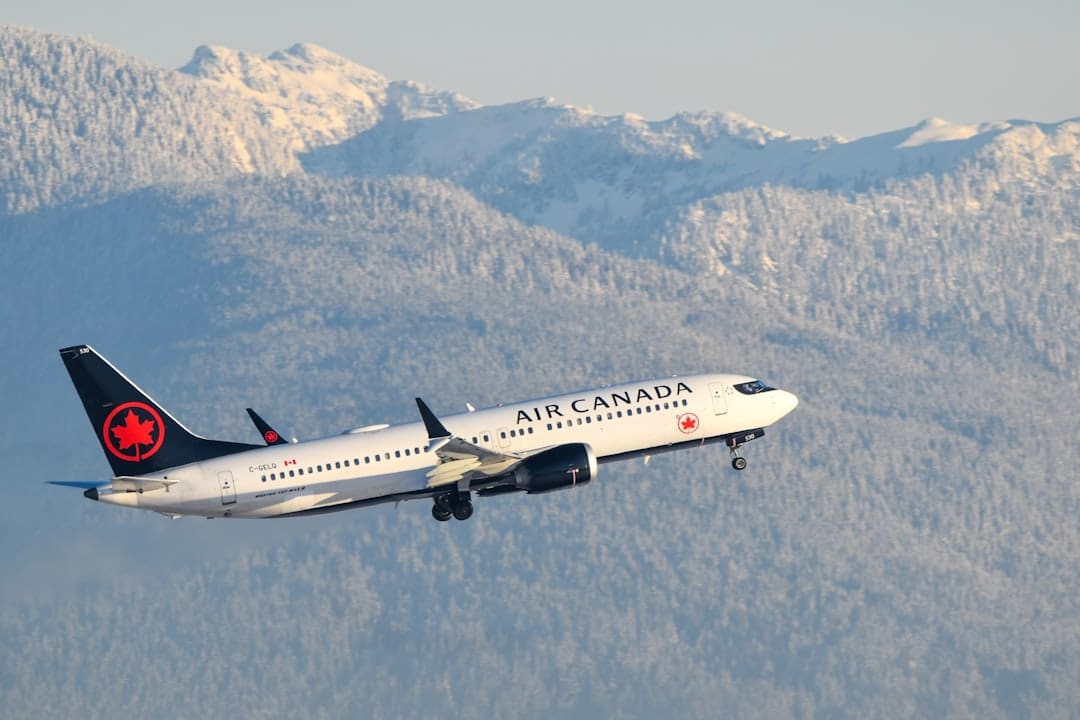
For larger service dogs, Air Canada may provide additional floor space by blocking adjacent seats. This accommodation is subject to availability and typically requires advance arrangement through Air Canada's accessibility services.
First-class and business-class cabins offer more floor space but follow the same positioning rules. Your service dog must remain on the floor throughout the flight, regardless of cabin class.
Essential Pre-Flight Preparation Steps
Successful service dog travel begins with thorough preparation. Start by confirming your dog's health and training readiness for air travel. Some dogs excel at ground-based tasks but struggle with flight-specific challenges like cabin pressure changes or confined spaces.
Schedule a pre-travel veterinary checkup. Discuss motion sickness prevention, anxiety management, and any health concerns specific to air travel. Your veterinarian can provide guidance on feeding schedules and hydration needs for flight day.
Practice confinement exercises at home. Use airline-style seating arrangements to simulate cabin conditions. Gradually increase duration to match your expected flight time, including potential delays.
Gather all required documentation in a dedicated travel folder. Include multiple copies of health certificates, training documentation, and Air Canada's completed forms. Digital backups on your phone provide additional security.
Contact Air Canada's accessibility services team directly. They can provide specific guidance for your route, aircraft type, and individual needs. This conversation often reveals helpful details not available through general customer service.
Airport Check-In and Security Procedures
Arrive at the airport earlier than typical passengers recommend. Service dog teams need additional time for documentation review, security screening, and boarding preparations.
Check in at the airport rather than using online check-in for your first Air Canada service dog flight. Airport agents can verify documentation, confirm seating arrangements, and address any last-minute concerns.
Security screening follows specific procedures for service dog teams. You and your dog will go through security together, but your dog may receive additional screening. Keep your dog on leash and under control throughout the process.
TSA-equivalent CATSA screening may require your dog to walk through metal detectors or receive hand screening. Inform security officers about any medical equipment your dog wears, such as mobility harnesses or medical alert devices.
Board during pre-boarding for passengers needing assistance. This extra time allows you to settle your dog and organize your seating area before other passengers board.
Flight Day Success Tips
Feed your service dog a light meal 4-6 hours before departure. Avoid heavy meals that could cause discomfort during flight, but don't travel with a hungry dog either. Proper timing prevents both motion sickness and hunger-related anxiety.
Bring a familiar blanket or mat for your dog's floor space. This provides comfort and clearly defines your dog's area. Choose materials that won't shed or create debris in the cabin.
Pack emergency supplies in your carry-on bag. Include waste cleanup materials, a collapsible water bowl, and any medications your dog might need. Airlines appreciate passengers who come prepared for contingencies.
Maintain your dog's regular bathroom schedule before boarding. Most airports have relief areas, but locate them in advance. Plan for potential delays that might extend your travel time.
Stay calm and confident throughout the journey. Your service dog takes behavioral cues from you. If you're anxious about flying, your dog may mirror that stress.
Handling Common Issues
Despite careful preparation, issues can arise during Air Canada service dog travel. Gate agents may question your documentation or request additional proof. Remain patient and provide requested documents calmly.
If Air Canada staff deny boarding or request your dog travel in cargo, ask to speak with a supervisor. Reference ATPDR regulations and your completed Air Canada forms. Most issues stem from staff unfamiliarity rather than policy violations.
Aircraft changes can disrupt seating arrangements. Smaller replacement aircraft may not accommodate your service dog in your assigned seat. Work with Air Canada staff to find alternative solutions, such as different seating or rebooking on larger aircraft.
Fellow passengers occasionally object to service dogs in the cabin. Flight attendants are trained to handle these situations and will remind other passengers of service dog access rights. Focus on your dog's behavior and avoid engaging in confrontations.
For unresolved issues, document the situation with photos, names, and specific details. Air Canada's customer relations team can address problems after your flight and prevent future occurrences.
Conclusion
Flying with a service dog on Air Canada requires careful planning but becomes routine with experience. Understanding airline policies, ATPDR regulations, and proper documentation ensures smooth travel for you and your service dog.
Remember that Air Canada's staff generally supports service dog access, and most flights proceed without incident. Preparation and patience solve most challenges that arise during travel.
For Canadians needing professional support with service dog documentation and training verification, TheraPetic®'s clinical assessment services provide comprehensive evaluations that meet airline requirements and federal accessibility standards.
Ready to ensure your service dog documentation meets Air Canada's requirements? Get started with TheraPetic®'s professional clinical services and travel with confidence knowing your paperwork is complete and compliant.
Written By
Ryan Gaughan, BA, CSDT #6202 — executive Director
TheraPetic®® healthcare Provider Group • About • LinkedIn • ryanjgaughan.com
Clinically Reviewed By
Dr. Patrick Fisher, PhD, NCC, BC-TMH, C-AAIS — founder & clinical Director • the Service Animal Expert™