

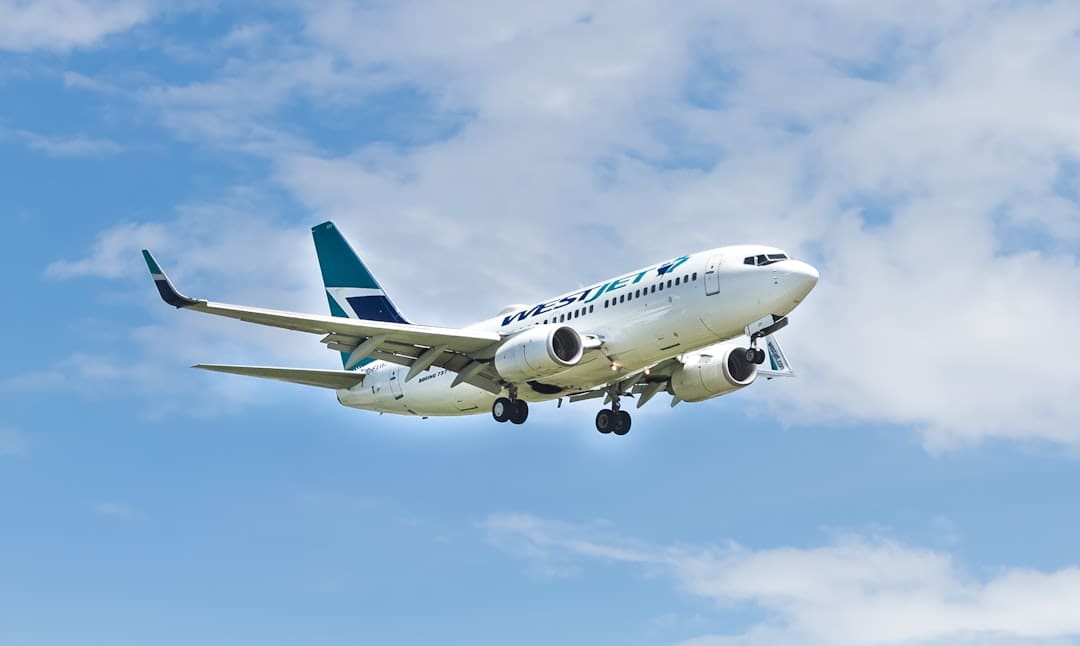
Traveling with your Support Animal or Service Dog on Canadian airlines requires understanding each carrier's specific policies and documentation requirements. WestJet, Porter Airlines, and Flair Airlines each maintain distinct procedures for passengers needing animal assistance during flight. This comprehensive comparison breaks down exactly what you need to know before booking your 2026 travel.
Canadian federal transportation regulations provide baseline protections, but individual airlines implement their own additional requirements. Knowing these differences helps ensure your Support Animal documentation meets each carrier's standards and prevents last-minute travel disruptions.
Understanding Support Animals vs Service Dogs in Canada
Canadian airlines distinguish between Service Dogs and Support Animals based on federal accessibility guidelines. Service Dogs receive specific training to perform tasks for individuals with disabilities, while Support Animals provide emotional comfort through companionship.
Under the Accessible Transportation for Persons with Disabilities Regulations (ATPDR), airlines must accommodate both categories with proper documentation. Each carrier interprets these federal requirements differently, creating varying policies across WestJet, Porter, and Flair.
The key difference impacts your documentation needs. Service Dogs typically require proof of specific training and task performance, while Support Animals need clinical documentation of your mental health condition and therapeutic need for animal assistance.

WestJet Support Animal and Service Dog Requirements
WestJet maintains comprehensive policies for both Service Dogs and Support Animals traveling in aircraft cabins. The airline requires advance notification at least 48 hours before departure for all animal assistance requests.
For Service Dogs, WestJet accepts animals trained to perform specific tasks related to your disability. Documentation must include a letter from a licensed healthcare professional confirming your disability and explaining how the Service Dog assists you. The letter should detail the specific tasks your Service Dog performs.
Support Animal travelers need clinical documentation from a Licensed Clinical Doctor or mental health professional. This letter must confirm your psychological or emotional disability and explain why animal companionship is necessary for your mental health treatment. WestJet reviews all Support Animal requests individually.
WestJet's size restrictions allow Service Dogs and Support Animals of any size in the cabin, provided they remain on the floor at your feet or under the seat in front of you. Larger animals must demonstrate they can fit comfortably without blocking aisles or emergency exits.
Porter Airlines Service Animal Documentation Process
Porter Airlines requires detailed advance booking for Service Dog and Support Animal travel. The carrier mandates notification at least 72 hours before departure, longer than WestJet's 48-hour requirement.
Service Dog documentation for Porter includes proof of training certification and a healthcare provider letter confirming your disability. Porter specifically requires the letter to be dated within one year of travel and include the healthcare professional's license number and contact information.
Support Animal travelers must provide clinical documentation from a Licensed Clinical Doctor confirming a mental health condition requiring animal assistance. Porter's policy explicitly states the letter must explain how your Support Animal alleviates symptoms of your specific psychological disability.
Porter limits Support Animals to dogs and cats only. The airline does not accommodate other species as Support Animals, though this restriction does not apply to trained Service Dogs. All animals must remain leashed or in carriers during boarding and flight.
Flair Airlines Support Animal Travel Guidelines
Flair Airlines operates as a low-cost carrier with streamlined Support Animal policies. The airline requires 48-hour advance notice for Service Dog and Support Animal travel, matching WestJet's timeframe.
Flair's Service Dog policy accepts animals individually trained to perform work or tasks for people with disabilities. Documentation requirements include a letter from a licensed healthcare professional and proof of the dog's training or certification when available.
For Support Animals, Flair requires clinical documentation from a Licensed Clinical Doctor or mental health professional licensed in Canada or your province of residence. The letter must be on official letterhead and dated within 12 months of travel.
Flair restricts Support Animals to dogs only, the most restrictive policy among the three carriers. Cats are not permitted as Support Animals on Flair flights, though trained Service Dogs of any breed are accommodated when properly documented.
Required Documentation Across All Three Airlines
All three Canadian airlines require specific clinical documentation for Support Animal travel. Understanding these universal requirements helps ensure your paperwork meets each carrier's standards.
Licensed Clinical Doctor letters must include your healthcare provider's full name, license number, and contact information. The letter should confirm your mental health condition and explain specifically how your Support Animal provides therapeutic benefit for your psychological disability.
Documentation must be current, typically within 6-12 months of travel depending on the airline. Outdated letters may be rejected, causing travel delays or denial of your Support Animal's cabin access.
As a 501(c)(3) nonprofit healthcare provider, TheraPetic® has provided clinically-reviewed Support Animal documentation to thousands of Canadian travelers. Our Licensed Clinical Doctors understand airline-specific requirements and ensure documentation meets current 2026 standards across all major carriers.
Additional documentation may include vaccination records, health certificates, and proof of animal training when applicable. Some airlines require forms completed by both you and your healthcare provider, while others accept standardized letters.
Step-by-Step Booking Process for Each Carrier
Booking Support Animal travel varies significantly between WestJet, Porter, and Flair. Each airline maintains different contact procedures and approval processes.
WestJet Booking Process:
1. Book your flight online or by phone
2. Call WestJet Guest Services at least 48 hours before departure
3. Submit documentation via email or fax
4. Receive confirmation of Support Animal approval
5. Arrive at airport with original documentation
Porter Airlines Booking Process:
1. Reserve your seat through Porter's website
2. Contact Porter's Special Services team 72 hours in advance
3. Complete Porter's Service Animal request form
4. Submit clinical documentation and animal health records
5. Confirm approval before traveling to airport
Flair Airlines Booking Process:
1. Purchase tickets online or through Flair's call center
2. Email Flair's customer service 48 hours before departure
3. Provide required clinical documentation
4. Receive written confirmation of Support Animal approval
5. Present documentation at check-in
Size Limitations and Breed Policies Explained
Size restrictions for Support Animals and Service Dogs vary among the three Canadian airlines. Understanding these limitations helps determine if your animal can travel in the cabin versus cargo hold.
WestJet allows Support Animals and Service Dogs of any size in the cabin, provided they fit comfortably at your feet or under the seat. Larger dogs must not obstruct aisles, emergency exits, or other passengers. WestJet does not maintain breed restrictions for properly documented Service Dogs or Support Animals.
Porter Airlines permits Service Dogs of any size but restricts Support Animals to dogs and cats that fit under the seat or at your feet. The airline evaluates larger animals case-by-case but generally requires they remain on the floor without extending into aisles.
Flair Airlines accommodates Service Dogs regardless of size but limits Support Animals to dogs only. The animal must fit in the space at your feet without blocking aisles or emergency equipment. Flair maintains the most restrictive size policies among the three carriers.
None of the airlines maintain breed-specific restrictions for Service Dogs, as federal accessibility regulations prohibit breed discrimination for trained assistance animals. Support Animal breed policies focus more on size and behavior requirements than specific breeds.
Fees and Additional Costs to Consider
Service Dogs and Support Animals travel free of charge in aircraft cabins on all three Canadian airlines when properly documented. Federal accessibility regulations prohibit airlines from charging pet fees for legitimate assistance animals.
However, you may incur costs for required documentation, veterinary health certificates, and additional baggage if your animal's supplies exceed normal carry-on allowances. Some travelers also purchase additional legroom seats to provide more space for larger Service Dogs.
WestJet, Porter, and Flair all waive pet transportation fees for approved Support Animals and Service Dogs. This represents significant savings compared to standard pet travel costs, which can range from $50-200 per flight segment.
Documentation costs vary depending on your healthcare provider and specific requirements. Professional Support Animal documentation services can streamline the process and ensure your paperwork meets airline standards, potentially saving time and preventing travel disruptions.
Expert Tips for Smooth Support Animal Air Travel
Successful Support Animal air travel requires preparation beyond documentation. These expert recommendations help ensure smooth experiences across all three Canadian airlines.
Contact airlines well in advance of your travel dates. While minimum notice periods range from 48-72 hours, earlier communication allows time to address any documentation issues or special accommodations needed for your Support Animal.
Bring multiple copies of all documentation, including clinical letters, vaccination records, and health certificates. Airport staff may need to review and copy documents, and having extras prevents delays if originals are misplaced.
Pack essential supplies for your Support Animal, including food, water, waste bags, and comfort items. Consider your animal's needs during potential flight delays or extended airport time. Collapsible water bowls and small food portions help maintain your animal's routine.
Arrive at the airport with extra time for check-in procedures. Support Animal documentation review may require additional processing time, especially during busy travel periods. Early arrival reduces stress for both you and your animal.
Research your destination's local regulations regarding Support Animals. While your animal may travel freely on Canadian airlines, different provinces or international destinations may have varying accommodation requirements for hotels, restaurants, and public transportation.
Understanding WestJet, Porter, and Flair's distinct Support Animal policies ensures you select the right carrier for your needs and prepare appropriate documentation. Each airline's requirements reflect their interpretation of federal accessibility guidelines while maintaining safe, comfortable travel for all passengers.
For travelers seeking reliable Support Animal documentation that meets current 2026 airline standards, TheraPetic® provides clinically-reviewed letters from Licensed Clinical Doctors who understand Canadian airline requirements. Our nonprofit mission focuses on ensuring legitimate Support Animal access while maintaining the integrity of assistance animal accommodations.
Written By
Ryan Gaughan, BA, CSDT #6202 — executive Director
TheraPetic®® healthcare Provider Group • About • LinkedIn • ryanjgaughan.com
Clinically Reviewed By
Dr. Patrick Fisher, PhD, NCC, BC-TMH, C-AAIS — founder & clinical Director • the Service Animal Expert™