

What Is the ATPDR?
The Accessible Transportation for Persons with Disabilities Regulations, known as the ATPDR, is federal Canadian law that sets clear rules for how transportation providers must treat passengers with disabilities. It came into force under the Accessible Canada Act and is administered by the Canadian Transportation Agency (CTA).
In plain terms, the ATPDR tells airlines, railways, marine operators, and bus companies what they must do to make travel accessible. It covers everything from how staff must communicate with a passenger who is Deaf, to how much space a service dog is entitled to on a plane.
If you have a physical disability, a mental health condition, a sensory impairment, or rely on a support animal or service dog, accessible transportation regulations directly affect your rights every time you travel in Canada.
Who Is Protected Under These Regulations?
The ATPDR protects any person whose disability creates a barrier when using federally regulated transportation. The definition of disability under the Accessible Canada Act is broad and intentionally inclusive. It covers physical, mental, intellectual, cognitive, learning, communication and sensory impairments, as well as functional limitations.
This means the ATPDR does not only protect wheelchair users or passengers with visible physical conditions. Passengers living with anxiety disorders, post-traumatic stress, autism spectrum disorder, or chronic pain conditions are also covered, provided their condition creates a barrier to travel.
The regulations place the obligation on the transportation provider, not the passenger. A carrier cannot require a passenger to "prove" disability beyond what is reasonably necessary to arrange accommodation. That is an important protection that many travellers are not aware of.
How the ATPDR Applies to Air Travel
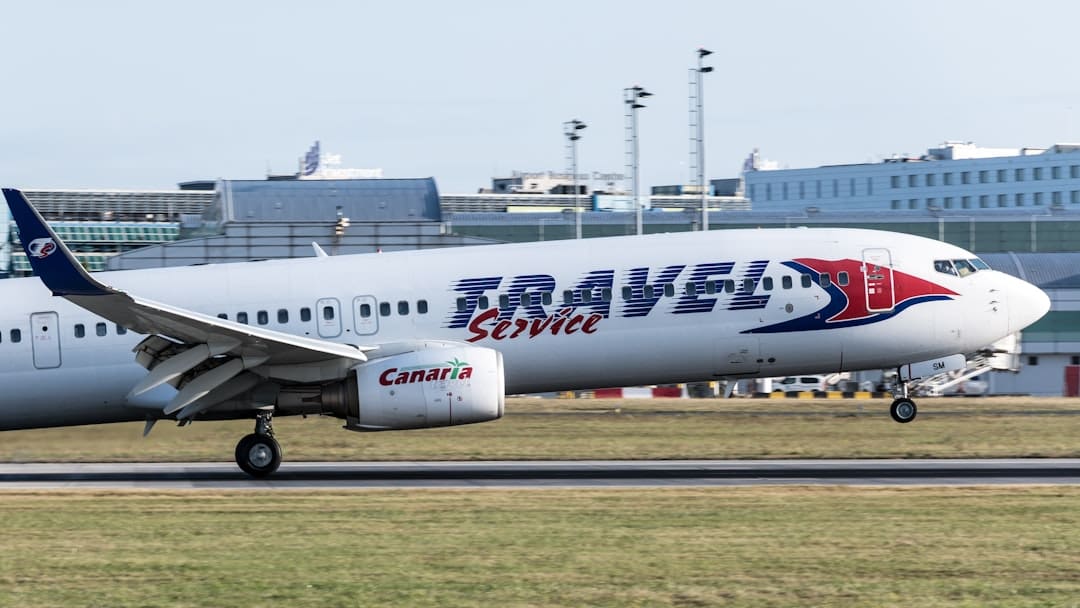
Air travel requirements under the ATPDR are among the most detailed in the regulations. Canadian carriers and foreign carriers operating flights to and from Canada must comply with specific accessibility standards.
Seating and Space Requirements
A passenger with a disability who requires additional space must not be charged for that extra seat if no single seat can reasonably accommodate them. Airlines must provide the accommodation at no additional cost once the passenger meets the eligibility criteria set out in the regulations.
Passengers who travel with a support person must be seated adjacent to that person. The carrier cannot separate them based on seating configuration unless no adjacent seats exist on that aircraft type. If the flight has to be rebooked, the carrier must make accommodation for the support person at no added fare.
Communication and Assistance
Staff must be trained to communicate effectively with passengers who are Deaf or hard of hearing, have speech or language barriers, or use alternative communication devices. The ATPDR sets mandatory training standards for all frontline transportation employees, not just customer service agents at check-in.
Carriers must also provide passengers with disabilities access to information in accessible formats upon request. This includes boarding passes, safety briefings, and in-flight entertainment where technically feasible.
Medical Oxygen and Assistive Devices
Airlines regulated under the ATPDR must allow passengers to travel with personal assistive devices at no additional charge, subject to safety regulations. This includes mobility aids, communication devices and medical equipment. The carrier must ensure that assistive devices are stored safely and returned to the passenger promptly upon arrival.
Rail and Ferry Travel Under the ATPDR
The ATPDR applies to VIA Rail, Rocky Mountaineer and other federally regulated rail operators. It also covers certain marine transportation services that operate interprovincially or internationally, including BC Ferries routes that cross federal jurisdiction thresholds.
Rail-Specific Requirements
Rail operators must ensure that at least a specified number of rail cars on any given route are accessible. Accessible rail cars must include a location where a passenger can remain in their wheelchair and a washroom that meets accessibility standards.
Boarding assistance must be available at all stops where a passenger with a disability has requested it. The carrier must arrange this assistance in advance if the passenger notifies the carrier within a reasonable timeframe before departure. VIA Rail, for example, requests 48 hours notice, though the ATPDR requires carriers to make reasonable efforts even with shorter notice.
Ferry and Marine Requirements
Marine operators must provide accessible boarding ramps, gangways and seating areas. Passengers who use mobility aids are entitled to priority boarding in most circumstances. In British Columbia, where ferry travel is a practical necessity for many communities, the intersection of provincial accessibility standards and federal ATPDR rules creates a layered protection framework.
Passengers who have concerns about specific ferry routes should review both the ATPDR provisions and BC's Accessible British Columbia Act, which adds provincial protections that complement the federal regulations.
Service Dogs and Support Animals in Transportation
One of the most closely watched areas of the ATPDR is how it regulates service dogs and support animals in federally regulated transportation.
Service Dogs
Under the ATPDR, a service dog is a dog that has been trained by a recognised training organisation to perform tasks that mitigate the effects of a passenger's disability. Carriers must accommodate service dogs at no additional charge. The service dog must be permitted to remain on the floor space in front of the passenger's seat.
Carriers may require documentation confirming that the dog is a trained service dog. That documentation is typically provided by the training organisation or a qualified healthcare professional. If you are unsure whether your documentation meets the carrier's requirements, our eligibility screening process can help clarify what is needed.
Support Animals
The ATPDR treats support animals differently from service dogs. Following changes to federal carrier policies aligned with the regulations, most Canadian air carriers now limit in-cabin support animals to trained service dogs. A passenger who relies on a support animal for emotional or psychiatric reasons may need to contact the carrier directly about their specific policy and what documentation is accepted.
This is an area where the regulations and individual carrier policies intersect. Support animal documentation prepared by a Licensed Clinical Doctor can clarify your needs to a carrier and help facilitate accommodation requests, though approval remains at the carrier's discretion under current federal rules.
Filing a Complaint Under the ATPDR
If a carrier fails to meet its obligations under the ATPDR, a passenger can file a complaint with the Canadian Transportation Agency. The CTA has authority to investigate complaints, order corrective action and impose administrative monetary penalties on non-compliant carriers.
How the Process Works
A complaint must be filed with the CTA within one year of the incident. The CTA will first attempt to facilitate a resolution through mediation. If mediation does not produce a resolution, the CTA may conduct a formal adjudication.
The Government of Canada's CTA website provides the official complaint form and guidance on what information to include. You can access that resource directly through the Canadian Transportation Agency official website. Keeping a clear written record of every interaction with the carrier, including dates, names of staff and what was communicated, strengthens any complaint significantly.
What Remedies Are Available
The CTA can order a carrier to refund fees, provide future accommodation, or change its policies and practices. For systemic violations affecting many passengers, the CTA can require carriers to publish corrective action plans. These are meaningful remedies, particularly for passengers who experienced discrimination due to disability.
Provincial Human Rights Codes and Federal Overlap
Canada's legal landscape for accessible transportation involves both federal and provincial law. The ATPDR governs federally regulated transportation, but provincial human rights codes fill in important gaps for ground transportation, taxis, ride-sharing and provincially regulated bus services.
In Ontario, the Accessibility for Ontarians with Disabilities Act (AODA) sets standards for transportation providers operating within the province. In Quebec, the Charter of Human Rights and Freedoms provides broad protections against discrimination based on handicap. Alberta's Human Rights Act and Nova Scotia's Human Rights Act similarly prohibit discrimination in services and facilities, which courts have interpreted to include transportation.
When a passenger experiences a barrier in an airport terminal, for example, both the ATPDR and provincial code may apply, depending on who operates the terminal and which service created the barrier. Navigating this overlap can be complex. Passengers are encouraged to document the nature of the barrier carefully and consult the CTA or a provincial human rights commission as appropriate.
How TheraPetic® Supports Travellers with Disabilities
As a 501(c)(3) nonprofit healthcare provider, TheraPetic® Healthcare Provider Group exists to make the documentation process for service dogs and support animals accessible, affordable and clinically sound. Our mission is rooted in the belief that every person with a disability deserves dignity in travel, housing and daily life.
Our bilingual clinical team, which includes English and French-speaking Licensed Clinical Doctors, understands the specific requirements of Canadian carriers and the ATPDR framework. We do not simply issue letters. We conduct thorough clinical assessments that document the therapeutic relationship between a person and their animal in a way that meets the standard carriers and housing providers expect to see.
When you begin our eligibility screening, a Licensed Clinical Doctor reviews your situation and determines the most appropriate documentation pathway. If your animal qualifies as a service dog under a carrier's criteria, we help you understand that distinction clearly. If a support animal letter is more appropriate for your housing or travel needs, we explain exactly what that documentation does and does not cover under current Canadian law.
For questions, you can reach our team at help@mypsd.org or by phone at (800) 851-4390. You can also begin your assessment directly at go.mypsd.org. Our team is here to guide you through a process that can feel overwhelming, with accuracy, care and clinical expertise.
Written By
Ryan Gaughan, BA, CSDT #6202 — Executive Director
TheraPetic® Healthcare Provider Group • About • LinkedIn • ryanjgaughan.com
Clinically Reviewed By
Dr. Patrick Fisher, PhD, NCC, BC-TMH, C-AAIS — Founder & Clinical Director • The Service Animal Expert™
Editorial Review
This article was reviewed by Karen Robertson, MS, CPDT-KSA on June 26, 2026 for accuracy, currency, and clarity. Content is updated when laws or guidance change.